5 Easy European Cities to Visit Without Renting a Car
Guest post written by: By Benjamin Peere
If you are used to planning trips in the United States, renting a car can feel like the safe default. You land, pick up the keys, load the luggage, and know you can get wherever you need to go. In some parts of Europe, renting a car still makes perfect sense. In many major cities, though, a rental car can quickly become the most expensive and least convenient part of the trip.
Historic centers were not designed around cars. Parking can be limited or costly, central streets may be restricted, and a hotel that looks easy to reach on a map can turn into a puzzle of one-way streets and garages. Meanwhile, trains, metros, trams, and airport connections often take you exactly where a visitor actually wants to be.
The five cities below work especially well for a short European trip without a rental car. Each has a straightforward airport connection, a walkable core, and public transportation that is useful even if you have never used the system before. They are also good examples of a bigger travel rule: sometimes spending less on transportation makes the whole trip easier, not harder.
Cities Where It Doesn’t Make Sense to Rent a Car
1. Paris France


Paris is one of the easiest places in Europe to overthink transportation. The city is huge, the transit map looks intimidating at first, and travelers sometimes assume a car will simplify things. For a typical city break, it usually does the opposite.
Why You Don’t Need a Car
Most of the places first-time visitors want to see are connected by Metro, RER, bus, or a reasonable walk.
The Louvre, the Latin Quarter, Notre-Dame area, the Marais, Montmartre, the Eiffel Tower, and the major train stations are all easier to reach by public transportation than by trying to park nearby. Driving also removes one of the best parts of Paris: being able to wander the streets, stop at a bakery, and change plans without thinking about where the car is located.
Getting There From the Airport
From Charles de Gaulle Airport, the RER B connects directly with central Paris. From Orly, Metro Line 14 gives travelers a direct rail option into the city. Airport journeys use a specific airport fare, so do not assume the ticket you use for a normal Metro ride will cover the airport as well.
How to Get Around
For a short stay, combine the Metro with walking instead of trying to ride between every sight. Paris blocks can be deceptively short on a map, and many of the best areas connect naturally on foot. Families may want to build a little extra time into transfers because not every station is equally easy with strollers or luggage.
Money-saving tip: Do the math before buying a tourist transportation pass. Paris now has simple flat-fare Metro-Train-RER tickets for regular city journeys, while airport trips are priced separately. Depending on how much you actually plan to ride, paying for individual trips can be cheaper than automatically buying an unlimited visitor pass.
If Paris is part of a family trip, check out free things to do in Paris that pairs well with a car-free itinerary.
2. Vienna, Austria
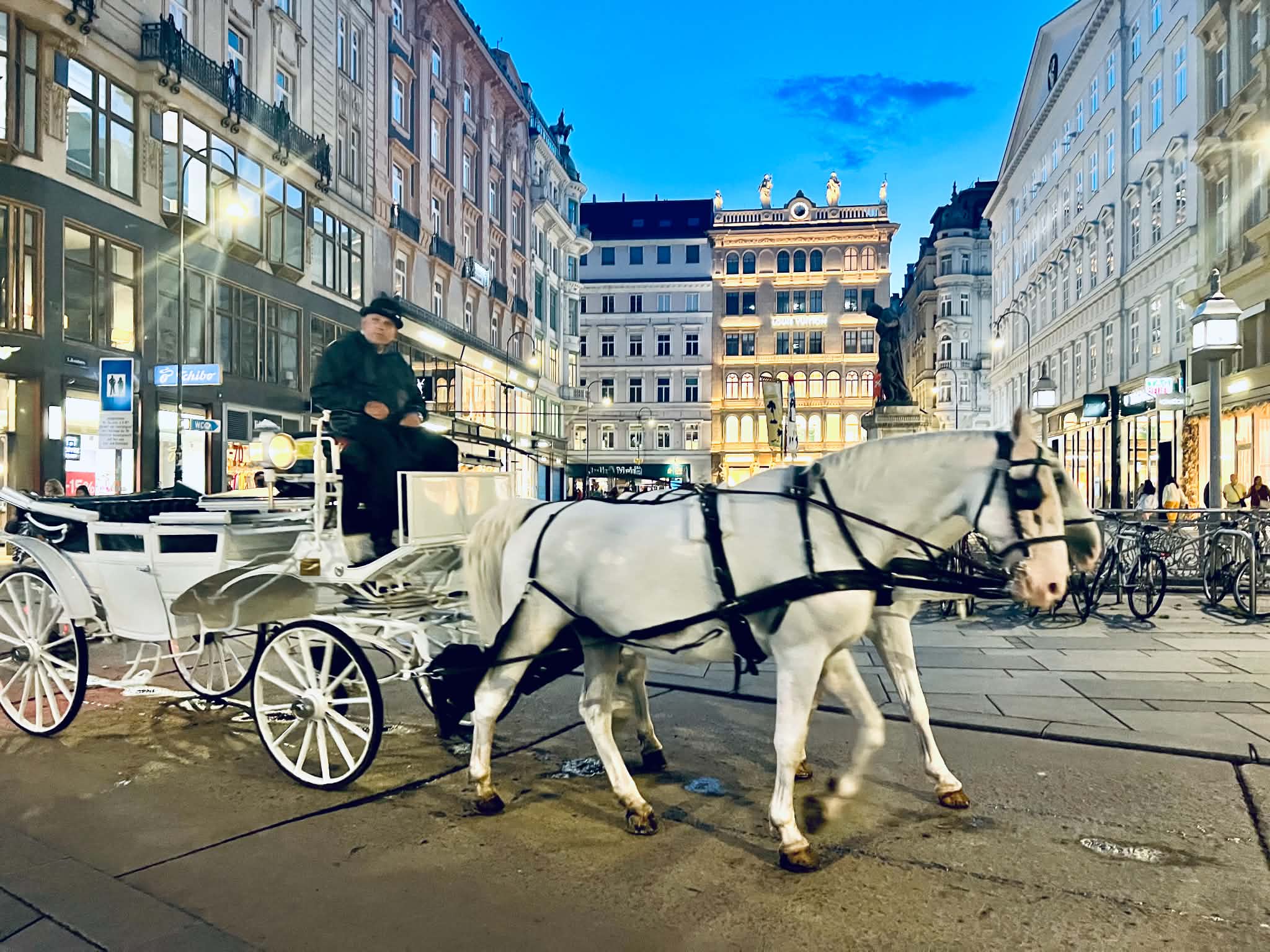
Vienna is the kind of city that makes public transportation feel easy even if you normally avoid it. The U-Bahn, trams, buses, and suburban trains are well connected, and the historic center is compact enough that you will still do plenty of walking.
Why You Don’t Need a Car
A car is unnecessary for the classic Vienna sights and can become a burden in the central districts. The Ringstrasse, Hofburg, St. Stephen’s Cathedral, museums, markets, and many neighborhoods are linked by transit.
Schönbrunn Palace is also easy to reach without driving, so even one of the major sights outside the very center does not create a reason to rent a car.
Getting There From the Airport
Vienna is especially easy to reach from the airport, but there is one current detail worth knowing.
Major rail work that began in September 2026 has temporarily changed some of the usual airport routes. The REX7 currently runs to Vienna Main Station in about 20 minutes, while Railjet trains provide another direct option to the main station. The usual CAT train is being replaced by a frequent CAT bus to Wien Mitte during the works. These changes are scheduled to last into 2027, so check the current route a few days before travel.
How to Get Around
Inside the city, the U-Bahn is the easiest backbone, but do not ignore the trams. They are useful for shorter hops and can be much more pleasant than disappearing underground for every journey.
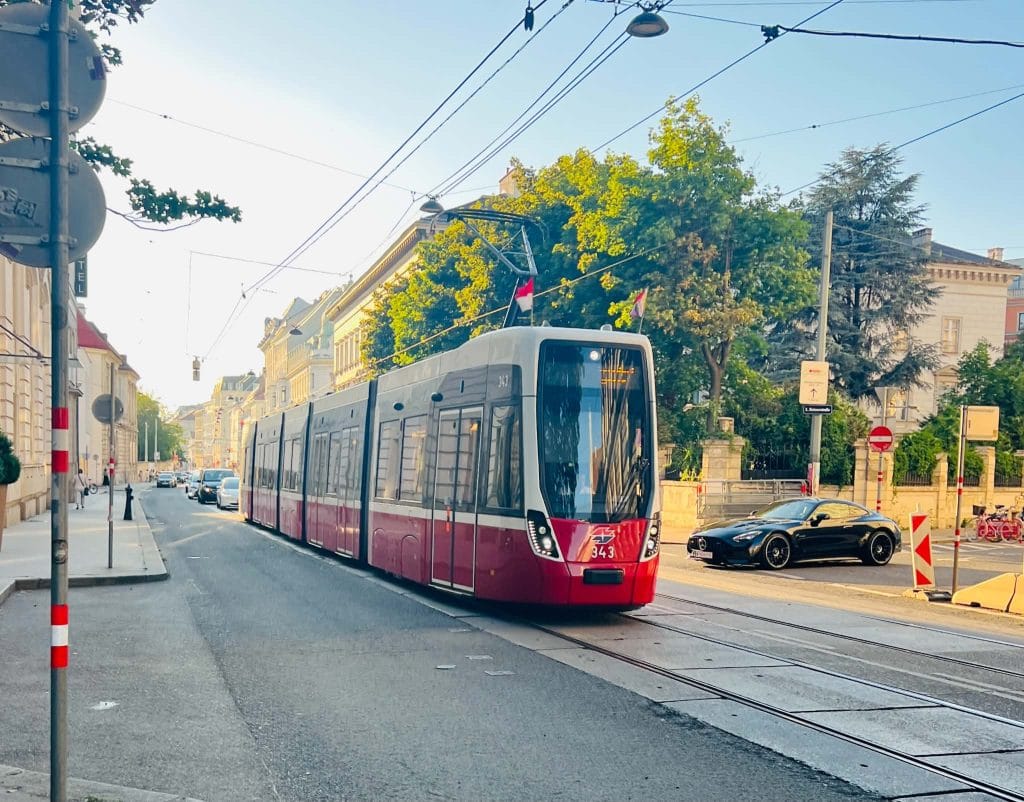
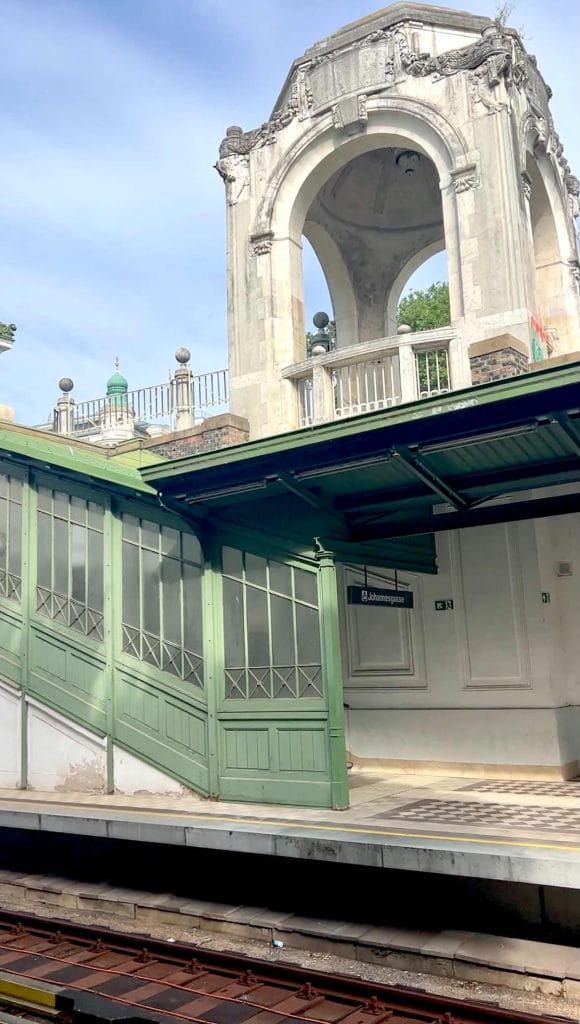

Vienna is also forgiving if you choose the wrong stop: many central attractions are close enough that walking the final section is simple.
Money-saving tip: Vienna changed its short-term ticket lineup in 2026 and no longer sells the old 48- and 72-hour Wiener Linien tickets. For a three-day stay, compare the 24-hour options with the 7-day digital ticket rather than assuming the shortest-looking pass is automatically cheaper.
Natasha has also put together a Vienna with kids guide with family-focused ideas for the city.
3. Krakow, Poland
Krakow is one of the best examples of a city where not renting a car is not just possible – it is part of what keeps the trip affordable. The historic center is compact, the airport has a direct train, and trams cover the places that are just beyond comfortable walking distance.
Why You Don’t Need a Car
Old Town, Wawel Castle, Planty Park, and much of Kazimierz fit naturally into walking days. For Podgorze, museums farther from the center, or neighborhoods such as Nowa Huta, the tram network fills the gap. A rental car would spend most of a first visit parked while you explore on foot.
Getting There From the Airport
Krakow Airport is connected to Krakow Glowny, the main railway station, by the SKA1 train. The airport station is beside the terminal and linked by a covered footbridge, which makes the arrival particularly easy with luggage. The train currently costs 20 PLN to the main station and also continues toward Wieliczka.
How to Get Around
Choose accommodation near Old Town, Kazimierz, or the main station and you may use public transportation less than expected. Krakow’s timed tickets cover buses and trams, and short-duration tickets are useful when your day is mostly on foot. A multi-day ticket makes more sense if you plan to stay farther out or move between neighborhoods repeatedly.
Money-saving tip: In Krakow, location can save more than a cheap room on the edge of town. Paying a little more to stay within walking distance of Old Town and Kazimierz can reduce both transportation costs and the temptation to use taxis late in the day.
If you are considering the city in colder months, this three-day Krakow winter itinerary breaks down where to stay, what fits into three days, and how to keep the itinerary practical without a car.
4. Porto, Portugal
Porto looks compact on a map, and in many ways it is. The surprise is the terrain. The center is hilly, some streets are steep, and a day that looks easy in distance can feel very different after several climbs. That does not mean you need a car – it means you should combine walking with the Metro and other public transportation instead of trying to do everything on foot.
Why You Don’t Need a Car
Ribeira, Sao Bento, Clerigos, Bolhao, and many of the central neighborhoods are close together, while the Metro reaches the airport and useful parts of the wider city. Parking in the historic core adds very little to a short visit, and narrow streets make driving less attractive than it looks from home.
Getting There From the Airport
Porto Airport is directly connected to the city by Metro Line E, the purple line. Trains generally run every 20 to 30 minutes depending on the time and day. That direct connection is one of the biggest reasons Porto works so well as a car-free weekend destination.
How to Get Around
Porto uses the Andante system across participating Metro, bus, and train services. The important rule for visitors is to validate when you start a journey and again when changing line or transport. As of 2026, contactless bank-card payment is also available at the airport and selected central Metro stations, which can make a short stay easier if you do not want to learn every zone before your first ride.
Money-saving tip: Do not buy unlimited transportation just because Porto is hilly. If you stay centrally, many days are mostly walking with one or two strategic rides. Save the Metro or bus for the long uphill return, an airport transfer, or a neighborhood that would otherwise turn into an exhausting detour.
5. Budapest, Hungary
Budapest is larger than Krakow or Porto, but its transportation system makes that scale manageable. The city has four Metro lines, an extensive tram and bus network, and some routes that are useful for sightseeing as well as transportation.
Why You Don’t Need a Car
The main visitor areas on both sides of the Danube are easy to connect by public transit. A typical stay might include Pest’s central neighborhoods, the Parliament area, the Great Market Hall, Buda Castle, thermal baths, and Heroes’ Square – none of which require a rental car. Tram 2 along the Pest side of the Danube is a good example of a ride that can replace both driving and a paid sightseeing transfer.
Getting There From the Airport
The 100E Airport Express runs around the clock between the airport and central Budapest, with stops including Kalvin ter and Deak Ferenc ter. The trip takes about 40 minutes and uses a dedicated airport ticket. A cheaper option is bus 200E to Kobanya-Kispest followed by Metro M3, which uses normal public-transport tickets or a valid travelcard.
How to Get Around
For a first visit, Metro and tram will handle most journeys. BudapestGO is useful for route planning and tickets, and daily travelcards can simplify things if you expect to ride often. One detail that catches visitors: the 100E airport bus is not included in the standard 24-hour travelcard, so budget for the airport transfer separately.
Money-saving tip: Do not confuse the Budapest travelcard with the Budapest Card. The travelcard is primarily about unlimited transportation and is much cheaper; the Budapest Card bundles transportation with attractions and discounts. If your itinerary is mostly free sights, walking, markets, and a few paid attractions, the regular travelcard may be the better fit.
When a Rental Car Does Make Sense in Europe
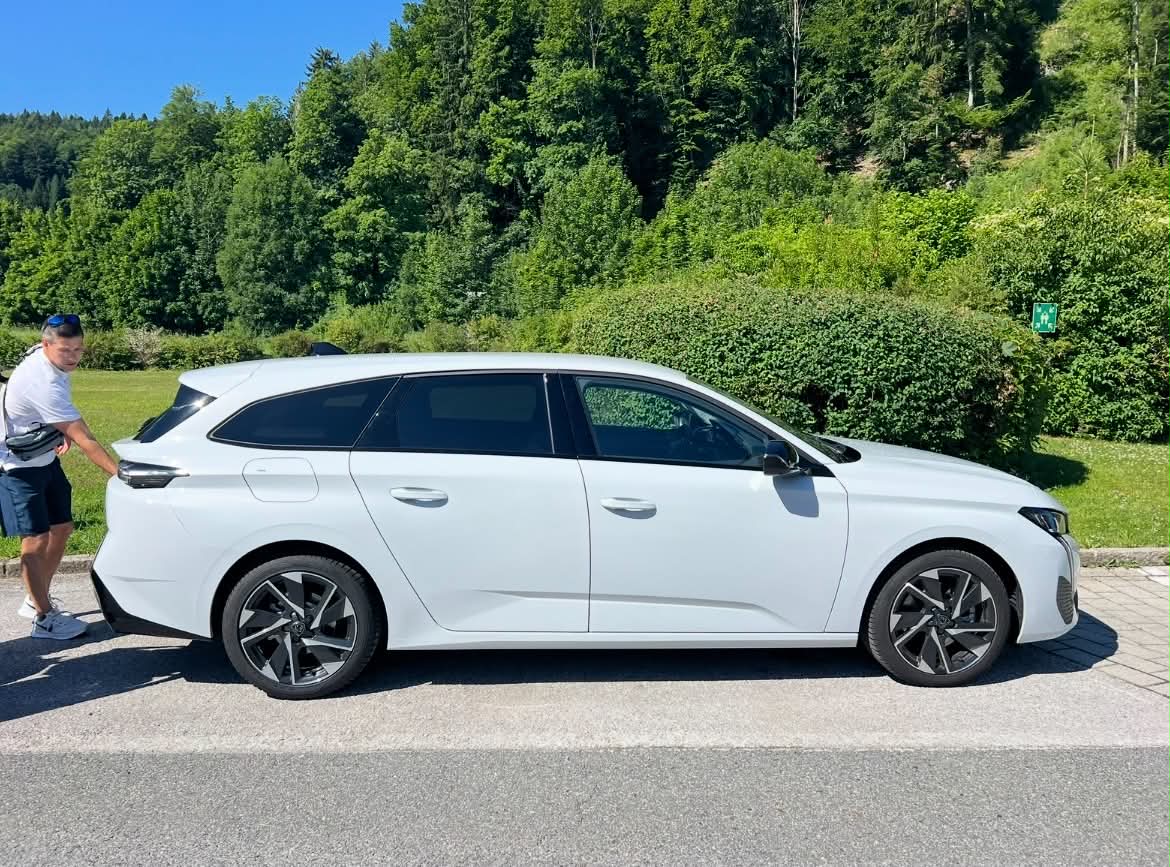
Going car-free is not a rule for every European trip. A rental car can be worth the money when the destination itself is spread out or when the best part of the trip is outside the city.
Think countryside stays, small villages with limited rail service, mountain routes, rural beaches, or an itinerary built around several places that would require awkward connections. Parts of the Alps, the Dolomites, rural France, inland Portugal, and some islands are very different travel problems from a long weekend in Paris or Vienna.
A useful way to decide is to ask one question before booking: will the car make most days easier, or will it mostly sit in a garage while you walk and use public transit? If the answer is the second one, you are probably paying for convenience you will not actually use.
*Pro Tip from The Free Life Travel: Do not go over the speed limit in Austria! Unlike Germany’s autobahn, Austria has plate readers and if you get to the next plate reader faster than what you should if you were going the speed limit, you will get a ticket mailed to you. Don’t say we didn’t warn you!
The Wrap Up
For a first European city break, skipping the rental counter can save money, remove parking stress, and make the trip feel simpler from the moment you land. Paris, Vienna, Krakow, Porto, and Budapest all let you get from the airport to the city and move between the main sights without building the itinerary around a car.
The key is not to avoid every taxi or walk every possible mile. It is to choose destinations where the transportation already works in your favor. Stay in the right neighborhood, learn the airport connection before you arrive, and use public transit for the journeys where it actually saves your legs. You may find that the easiest part of the trip is the car you never rented.
About the Guest Author

Benjamin Peere runs LowCostWings, an independent travel site focused on affordable European trips, practical itineraries, and destinations that are easy to explore without a car. LowCostWings publishes travel guides and inspiration in English and French.
Note from Natasha, The Free Life Travel’s Main Author
Thanks to Benjamin for writing this article specifically for The Free Life Travel readers. He reached out to me after reading my Paris and Vienna articles as he saw that I like to try to save you all money, which is what his mission is too. We hope that with the information that Benjamin has provided above and the information that you can find throughout The Free Life Travel website, we can help you plan a trip of a lifetime without breaking the bank!
Thanks for reading…now go live that Free Life, my friends!